
uPVC Profiles: Benefits, and Applications In interior and architecture Industry
uPVC, or Unplasticized polyvinyl chloride, is a rigid, durable, and low-maintenance building material commonly used in the interior and architecture industry. uPVC profiles have revolutionized modern architecture and construction by offering a combination of durability, sustainability, and cost-efficiency.
Unlike regular PVC (which is made flexible by adding plasticizers), uPVC retains a hard form, making it ideal for structural applications like window and door frames.
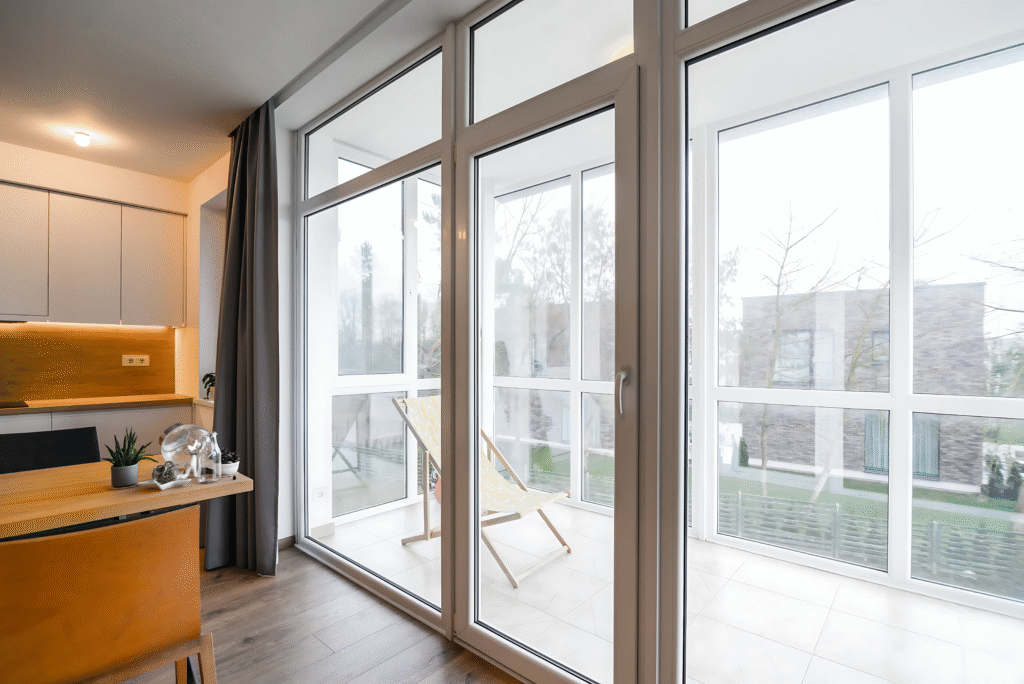
What Are uPVC Profiles?
uPVC profiles are the shaped cross-sections or extrusions made from uPVC material, which form the core components of various products such as:
- Windows
- Doors
- Partition walls
- Fascia boards
- Pipes and ducts
They are manufactured through an extrusion process that allows precise shaping and customization based on specific architectural or construction needs.
Key Features of uPVC Profiles
- Durability: Resistant to corrosion, rot, weathering, and UV rays.
- Low Maintenance: Does not require painting or sealing; just regular cleaning.
- Thermal Insulation: Excellent energy efficiency, reducing heat transfer.
- Sound Insulation: Provides effective noise reduction.
- Fire Resistance: Self-extinguishing properties make it a safer material.
- Eco-Friendly: Fully recyclable and non-toxic.
Benefits of Using uPVC Profiles
- Energy Efficiency
uPVC windows and doors offer superior insulation compared to traditional materials like wood or aluminum. This can reduce heating and cooling costs significantly. - Weather Resistance
uPVC does not warp, swell, or crack in extreme weather conditions, making it suitable for all climates. - Cost-Effective
While the initial cost may be higher than alternatives like aluminum, the long-term savings in maintenance and energy bills make uPVC a cost-effective solution. - Design Flexibility
Available in various colors, finishes, and shapes. Modern lamination technologies allow for wood grain or metallic finishes as well. - Security
Often reinforced with steel and compatible with multipoint locking systems, enhancing home and building security.
Common Applications of uPVC Profiles
- Residential and Commercial Windows & Doors
Including casement, sliding, tilt-and-turn, and French-style formats. - Building Façades & Curtain Walls
For modern aesthetic and high-performance insulation. - Interior Partitions and Panels
Lightweight and easy to install in commercial spaces. - Drainage and Plumbing Systems
uPVC is widely used in piping for its chemical and corrosion resistance.
Market Outlook and Trends
With increasing emphasis on sustainability, energy conservation, and low-maintenance construction materials, the demand for uPVC profiles continues to grow globally. Emerging trends include:
- Color & Lamination Variety
- Smart Integration (IoT-ready window frames)
- Use in Green Buildings and LEED-certified projects
Countries in Asia, Europe, and the Middle East are seeing strong growth in uPVC adoption due to urbanization and the need for durable infrastructure.